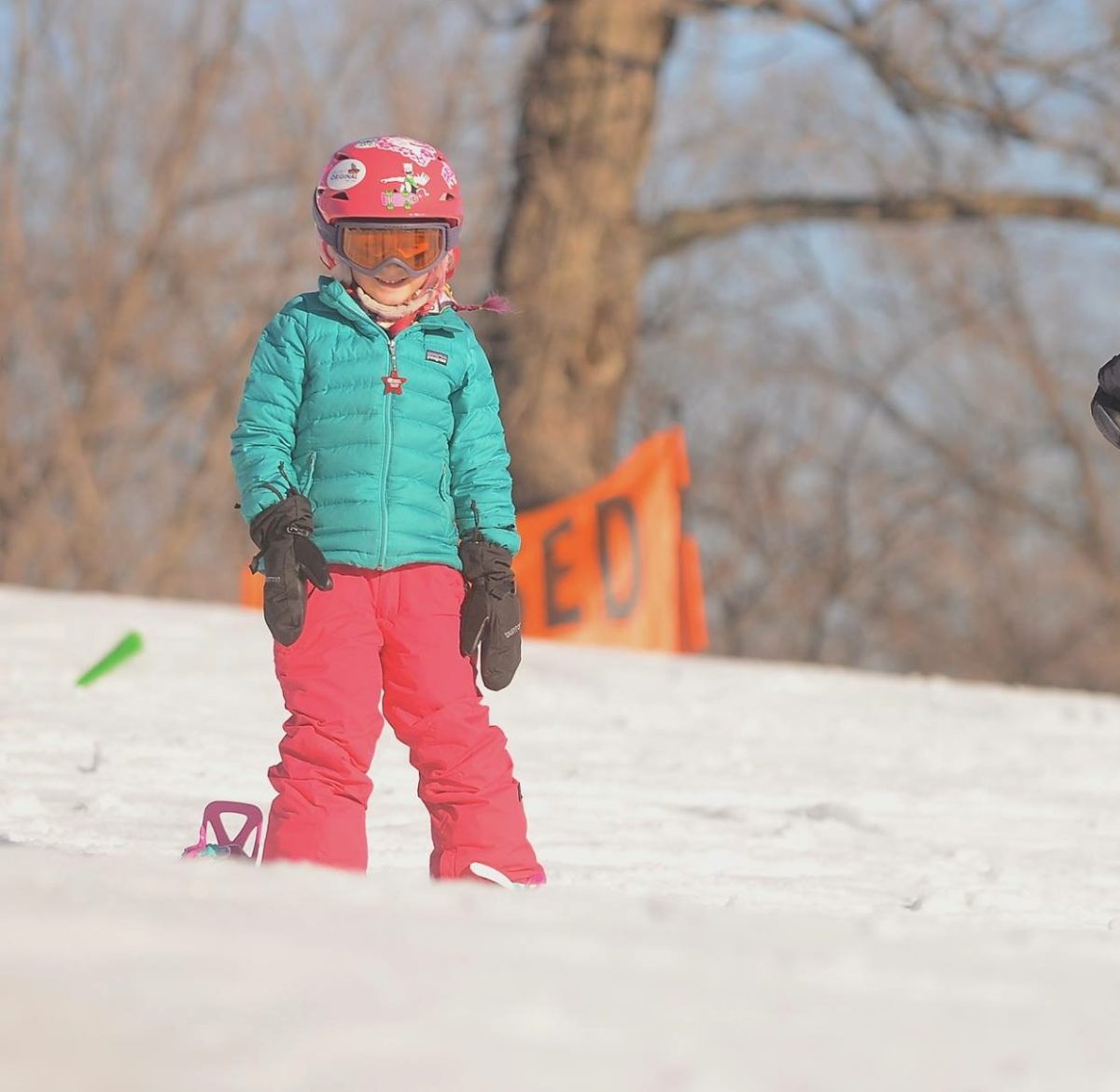
As the ski season kicks off and winter starts to settle in, December marks Seasonal Affective Disorder Awareness Month. This month is dedicated to acknowledging Seasonal Affective Disorder, commonly known as seasonal depression, a mental health condition that impacts millions of people every year.
Seasonal depression is a type of depression caused by a specific seasonal pattern, typically occurring in the fall and winter seasons and subsiding during spring as warmer weather returns. Common signs of seasonal depression include feelings of hopelessness, mood swings, or anxiety. According to Mental Health America, roughly five percent of the United States population experiences seasonal depression, or about 17 million people each year. Specialists link seasonal depression to a reduced level of sunlight in the fall and winter. The decrease in sunlight can negatively impact the body’s internal clock and serotonin levels, resulting in seasonal depression. Anyone can be susceptible to seasonal depression, but women, young people, and those who live farther from the equator (where there is less daylight in colder seasons) are most at risk.
Seasonal depression is undeniably damaging, but it’s not irreversible. One of the most effective treatments for seasonal depression is light therapy. Light therapy involves sitting near a bright lamp designed to mimic sunlight, which alters the brain chemicals linked to mood.
Light therapy is effective, but it can be challenging to access. Self-care is one of the simplest cures to seasonal depression and requires zero specialized equipment. Spending more time outdoors, letting sunlight into your home, establishing better sleep patterns, and engaging in regular exercise can help boost your mood.
Seasonal Depression Awareness Month is an opportunity to learn more about the signs of seasonal depression, how to manage it, and the importance of checking in on yourself and others during the colder season. Recognizing the correlation between mood and seasonal changes can make a difference. Being aware of symptoms and treatments, and knowing that seasonal depression is a real condition, can help people take more steps to care for their well-being.
If you or someone you know is experiencing signs of seasonal depression at AHS, reach out to a Hope Squad member. This is a free, useful, and efficient resource to find peer-to-peer support. Hope Squad members are trained friends who are always available to provide help when needed. Often, it’s easier to talk to a peer who’s closer to your age than a trusted adult.