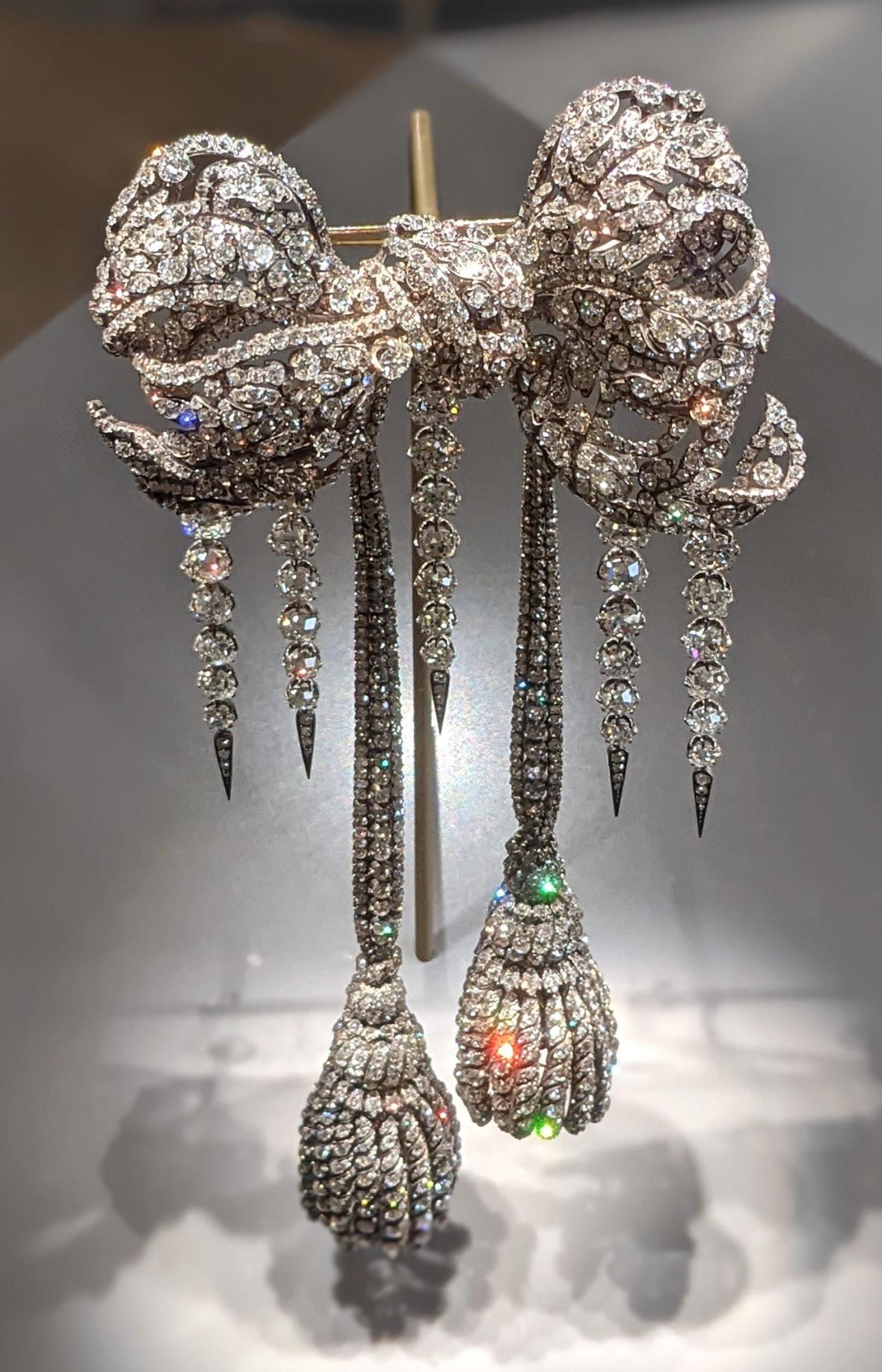
The recent Louvre robbery seems like something straight out of Ocean’s Eleven – stolen jewels, broad daylight. It mirrors the epic plot of so many action films. The French crown jewels were taken from the Louvre’s Apollo Gallery in just seven short minutes. These historic pieces, which contain precious stones such as sapphires, pearls, and emeralds, disappeared without a trace. The total cost of the stolen pieces is estimated at $102 million, excluding their immense historical value due to their previous ownership by Napoleon’s wife and other French royalty. The thieves’ escape highlights the vulnerability of even the most famous museums in the world.
The Louvre is renowned for housing some of the most prominent works of art, including Leonardo da Vinci’s iconic Mona Lisa. The museum was previously a royal palace that housed monarchs from the 14th to 16th centuries. It has over 700,000 square feet of gallery space, divided into eight “curatorial departments”. There are consistently over 35,000 works of art on display within the palace-turned-museum, and around nine million visitors annually.
At 9:30 AM on October 19th, robbers raised an extendable ladder to the Apollo gallery window. They made their way up at 9:34, using an angle grinder to skillfully cut the windows and threaten the museum guards. It took a full three minutes before the alarm was even triggered and the museum was informed of the break-in. After four minutes of plundering the glass cases, the thieves returned to the streets below and fled on motorcycles.
The speed of their heist is astonishing, but in their haste, they dropped the crown of Empress Eugénie-wife of Napoleon III, while descending out of the gallery. The crown is damaged, but the historical piece, which features over 1,000 diamonds, was thankfully returned to the museum.
Crowns, earrings, necklaces, and a diadem remain missing. In total, 4000 diamonds, 32 sapphires, 30 emeralds, and 212 pearls were robbed. Hope is dwindling for their recovery, as the pieces may have been melted down and the gems sold individually. That is often what occurs with stolen jewelry, in order to be sold without the risk of recognition.
One beacon of hope is the four individuals charged with involvement in the case. A suspect was caught attempting to flee from France to Algeria on October 25th. Only one suspect’s name has been released, Abdoulaye N, an Algerian motocross competitor and bodybuilder with 15 prior criminal offenses. He is suspected of being the robber caught on camera, as seen in the video circulating online, and is also believed to be the owner of the gloves and other tools left outside the building. All of the suspects being charged were identified through DNA on the mechanical lift. That includes the final individual, the female partner of one of the thieves. At least one more involved member is still at large, given that all the robbers were men, so the partner was not present at the scene of the crime.
Abdoulaye N and one other apprehended suspect are seemingly connected to a previous jewelry store theft in 2014. Officials are beginning to question whether the thefts are part of a larger crime ring.
Following that possibility, there is speculation that the robbers were not the ones calling the shots. If a criminal wanted to steal the jewelry without the risk of prosecution, they could have hired a group of petty criminals to do it instead. There is no confirmation that the thieves were the ones responsible for planning the heist. Although the act was relatively simple, it took planning and consideration. It is plausible that the thieves were aware of the lack of security cameras in that area of the Louvre.
“The guys who actually enter the museums are usually all hired hands, and they’re almost always caught in these cases,” said art crime professor Erin Thompson in an interview with The Independent, further suggesting this is not just possible, but likely.
The worldwide reaction was one of the most astonishing aftereffects of the heist, especially amongst youth. The robbers were celebrated, rooted for, and even became a common Halloween costume. There were at least six Louvre robbers in the AHS hallways, adorned with plastic crowns and Walmart jewelry. Many students admitted that they
wanted the thieves to get away with it. The heist is viewed as an exciting occurrence, and a Hollywood plot reflected in the real world.
Questions remain over the crown jewels, their locations, and the fate of the hands that took them. The biggest question, though, is whether this is a sign of escalating criminal activity. It could be a precursor to mass theft amid economic turmoil. What we do know is that no museum, no matter how famous, and no jewel, no matter how historical, is immune.