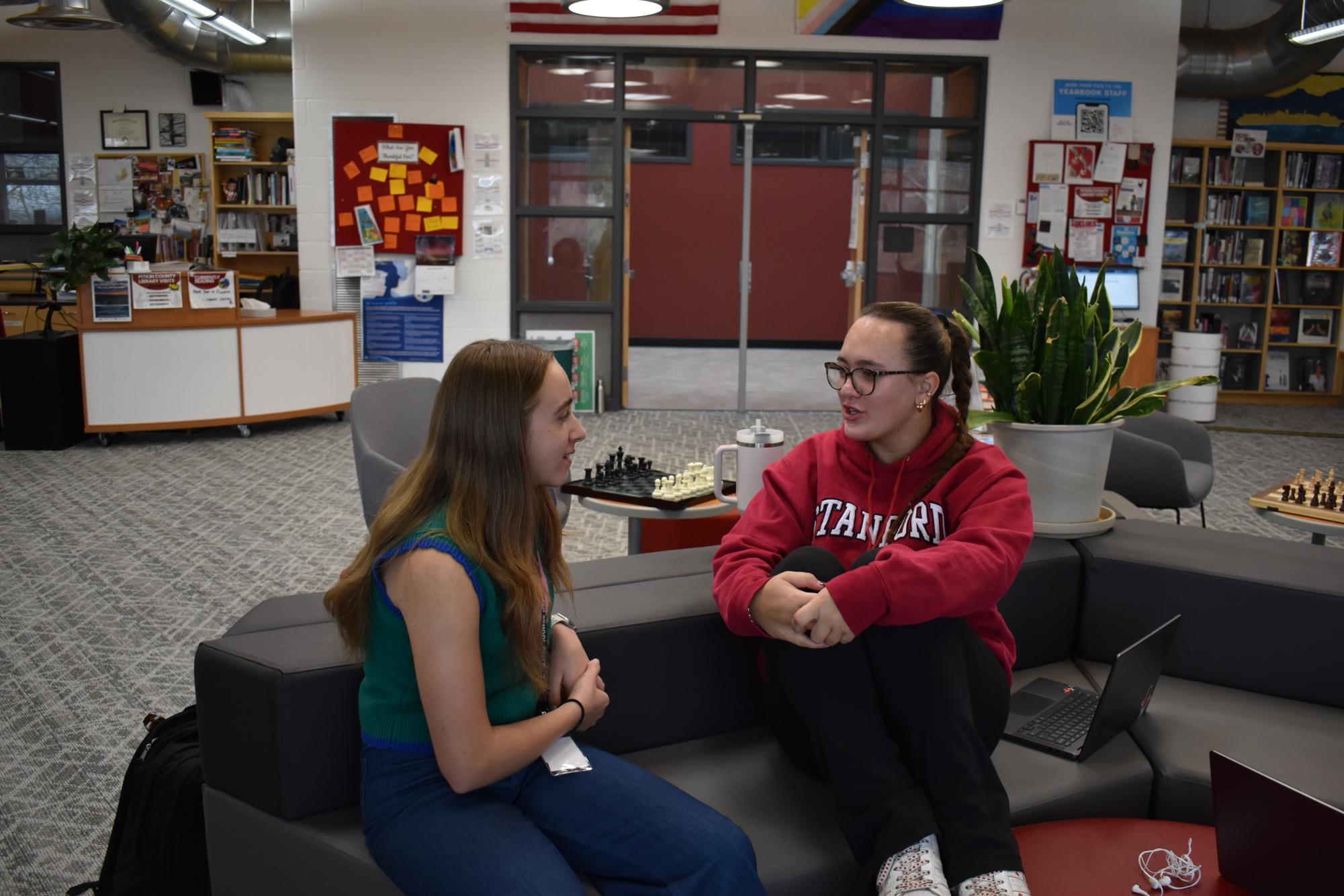
Vulnerability is the foundation of genuine connection between people, which strengthens relationships.
While I see vulnerability as something powerful, it is often considered as cowardly. Trust is enhanced when people are authentic, which is impossible if one masks their fragility with false confidence. While this does require being uncomfortable at times, maintaining a perfect image 24/7 is not genuine and can lead to problems later on with those around you and within yourself. It is rare for people to reveal the emotional struggles they may be facing to those close to them, as the act of being open can make them feel small and exposed.
Typically, people have a hard time being vulnerable or taking the initiative to connect with mental health professionals or adults they trust due to the underlying schema that showing emotion is “weak.” The media plays a significant role in the development of harmful thoughts and opinions associated with vulnerability, so people internalize the idea that feeling negative-swaying emotions is not normal. Historically, society has had a set-in-stone definition of masculinity, which is taught at an early age. Traditionally, men are applauded for violence, control over themselves and others, and both mental and physical strength. Being vulnerable contrasts with all these ideas, as it often requires a sense of emotional maturity that is overlooked when expressing these emotions. Instead of viewing vulnerability as an element of development, it is seen as childish.
While it is more common for men to avoid sensitivity, it is just as normal for women to be afraid to do so as well. Generally speaking, men don’t show negative emotions because it defies stereotypes, while women are scared to do so because it enhances them. Traditional feminine stereotypes often expect women to show greater emotions, which makes them easier targets for criticism. Phrases like “only girls cry,” or “emotions make you weak” are common responses to women and men showing their raw emotions, which diminishes the severity of what they may be feeling and discourages them from opening up in the future.
As the number of cultures and nations that practice gender equality increases, there is an underlying worry that doing things that fall under the blanket of traditional women’s roles in Western society will set them back. Unfortunately, vulnerability is one of them.
These traditional roles are hypocritical as they require a great sense of emotional intelligence to be transparent with people. Bottling up your emotions leads to mental health issues, as you have to deal with mental battles internally and alone instead of letting other people help and support you. Vulnerability causes people to be seen for who they are without any filters, which creates a fear of rejection. The negative stigma surrounding reaching out to mental health professionals makes it hard for people to get the help they need, so they are left to deal with their struggles on their own.
It is easy for people to feed into the myth that they are expected to be strong and capable at all times. It provides a temporary sense of security, but in the long run, it proves to be inauthentic. It takes time to be sincere, but it is essential to recognize the benefits of being vulnerable. It requires vast amounts of trust, taking risks, and self-reflection, but it is a skill worth developing as it will help you rather than harm you.
This is why it’s important to redefine vulnerability and recognize that it is not a weakness, but a strength. While being vulnerable helps your own mental health and gives you a sense of freedom, it enhances connections with those surrounding you. Being honest about your emotions shows that you are someone other people can rely on when they are going through difficult times that require them to share their feelings. Opening up is scary and requires a significant amount of trust and connection with someone to do so, but ultimately, this demonstrates honesty and that you are sophisticated enough to hold yourself accountable.