











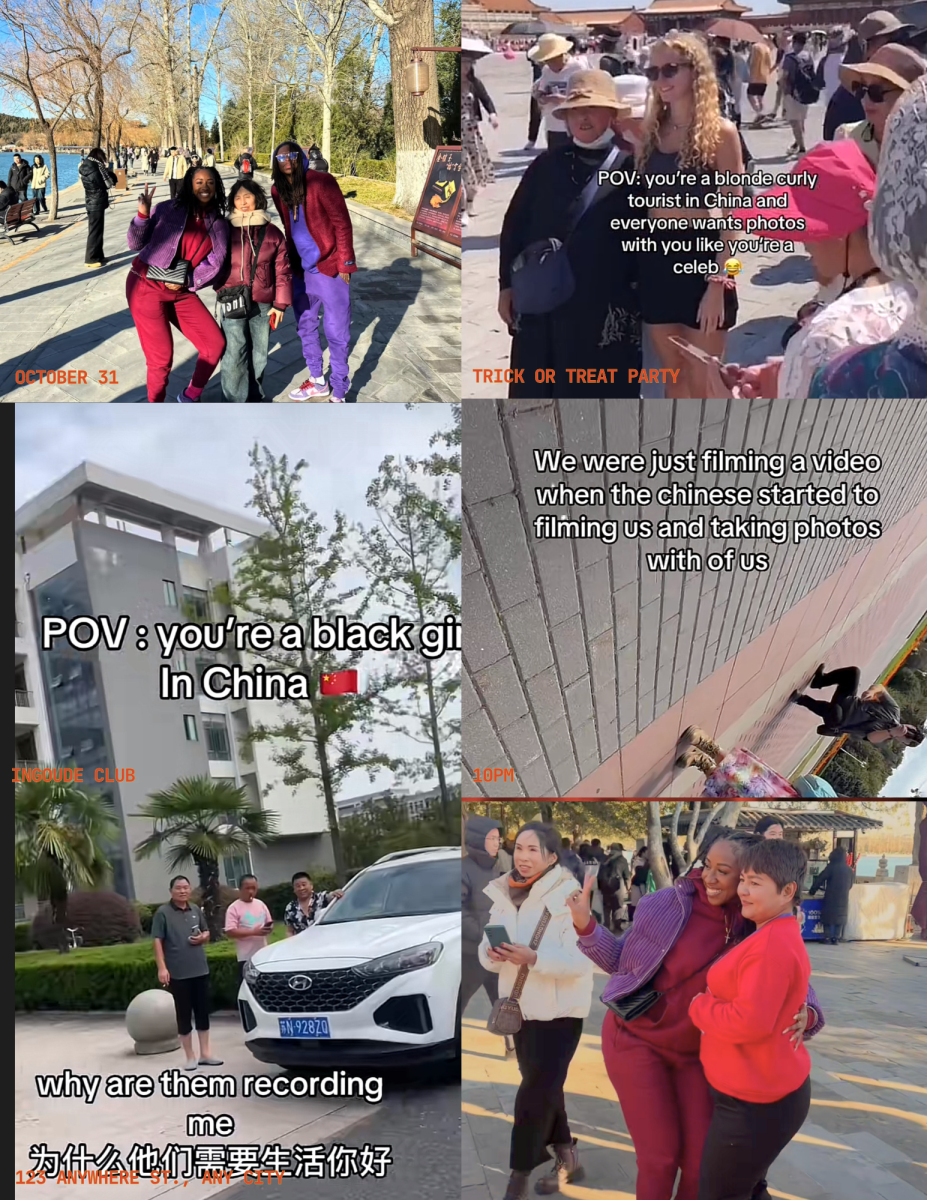
In many parts of the Middle East, rural Asia, or inland Africa, seeing a person with blonde hair, blue eyes, or very dark features is not a daily occurrence. This often results in staring, filming, or even attempts to touch the traveler’s hair or skin. While these actions can feel like a violation of personal space to someone from a Western culture, they are usually driven by a raw, unfiltered curiosity rather than malice.
The concept of racism, as it is discussed in Western social science, is often absent in these remote communities. In many of these cultures, the reaction is based on fascination. To a villager who has only seen diverse ethnicities through a television screen, the tourist is a living novelty. Culturally, they may not have been taught that filming a stranger is rude or that touching someone’s hair is an invasion of privacy. In their culture, they are simply admiring something unique and beautiful. Because they lack the historical context of racial dynamics found in the West, they do not realize that their actions might be perceived as dehumanizing or disrespectful. For women in particular, this attention can be overwhelming. A blonde woman walking through a market in a non-touristy area might find herself surrounded by people asking for selfies or even reaching out to see if her hair texture is real. As these interactions go viral on social media, the conversation has shifted toward the responsibility of host communities to adapt to global standards of dignity and respect. While it's natural for people to be curious, the extensive recording of these experiences has shown the discomfort and vulnerability that travelers often feel. It is not enough to simply wait for change to happen naturally. Instead, there is a growing call for local tourism boards and community leaders to take an active role in educating their populations. By establishing clear public guidelines about personal space and consent, these regions can work to ensure that their hospitality is defined by mutual respect rather than intrusive curiosity.
However, implementing this change doesn’t come without its challenges. In many rural or technologically isolated communities, access to global media is limited, making it difficult for international norms to be put into place. It is unrealistic to expect a uniform shift in behavior when many communities are still navigating through their first real encounters with global diversity. This leads to a tough situation in which the responsibility for ‘patience’ often falls on the tourist, even when their personal limits are being pushed.
Travelers should establish clear boundaries to ensure their comfort, but they must also realize that the motives behind certain behaviors are usually not intended to be disrespectful. Until these education efforts become widespread, these situations will continue to be reported. By moving away from the idea that it will simply just ‘simmer down’ on its own, people can move toward travel culture that protects the humanity and innocence of every individual.