








Today, more people are speaking out than ever before, but it seems like fewer of them understand what they are speaking about.
Opinions are mostly formed through half-truths and blatant lies that are taken straight from social media.
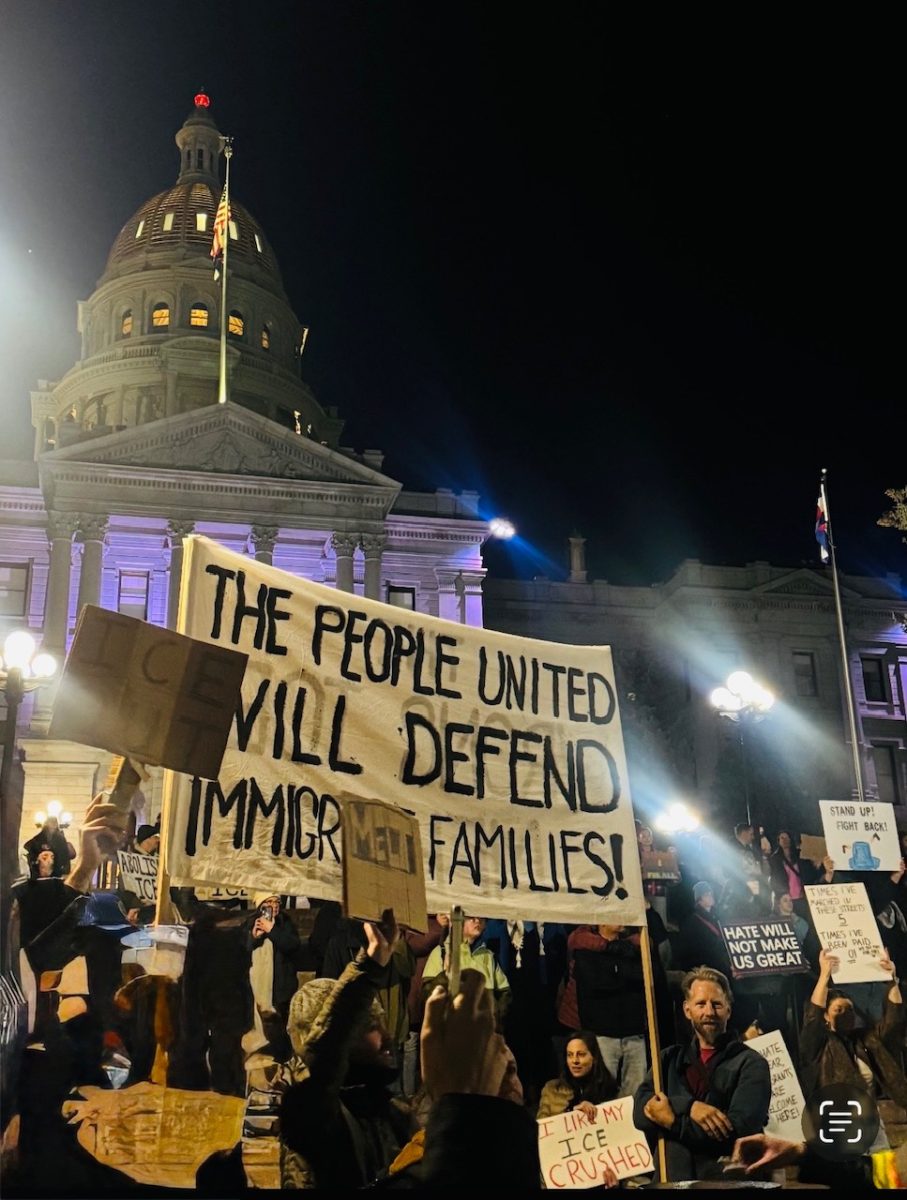
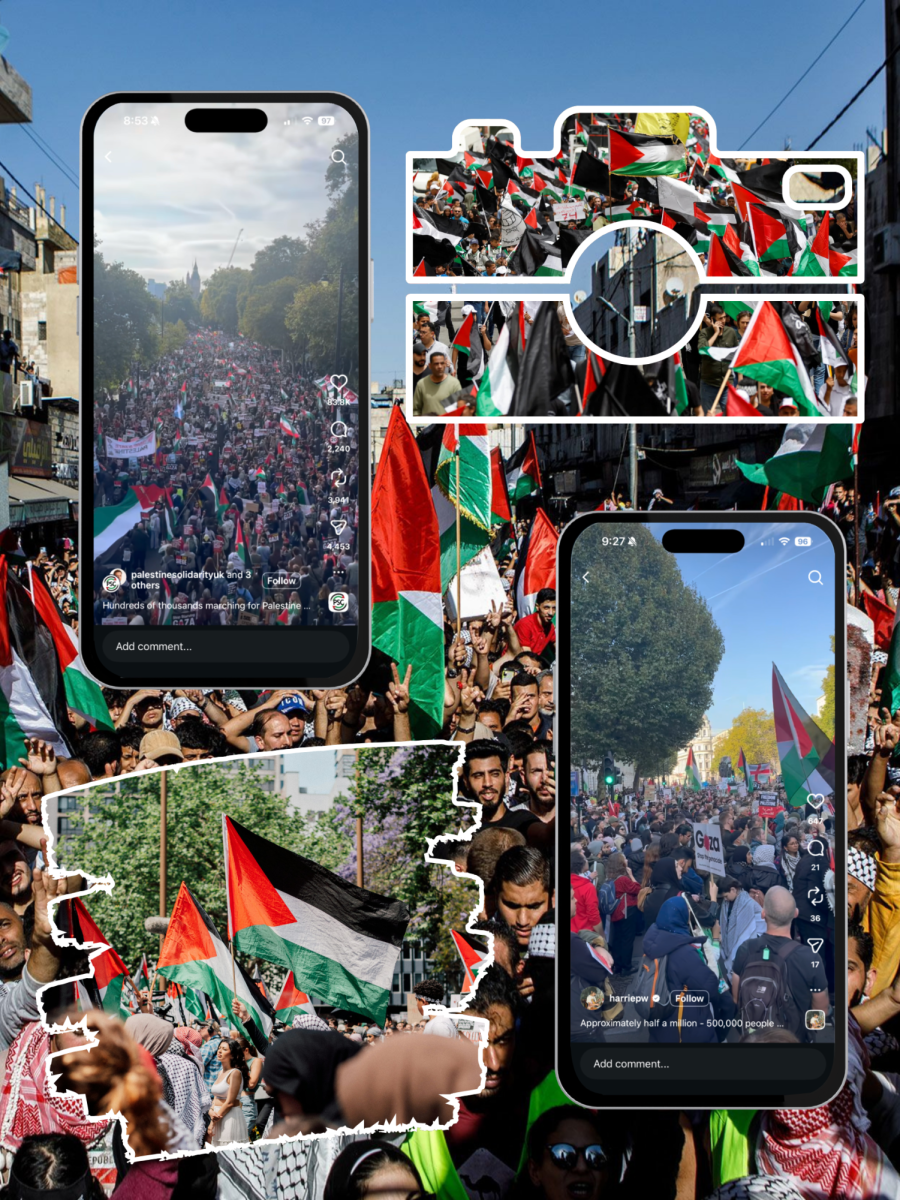
Misinformation is especially prevalent in the protests that are happening today and the discussions that are taking place online regarding those protests. In the past, when people stood up for a cause, they generally took the time to research the subject matter and form their own opinions regarding the solution to the discussed problem. When they had performed research, they generally knew the answer to any question that may have been posed to them regarding the topic of their protest. This is not generally the case today for those who claim to have strong opinions about the protests.
Recognizing that not all protestors are protesting for the Palestinians, the issue right now is related to them. For instance, many interview videos contain individuals attending these protests who cannot answer even the most basic questions relating to what they are protesting. These individuals are often heard chanting the phrase “From the river to the sea Palestine will be free,” yet when questioned, they cannot describe the meaning of the phrase. During said interviews of those protesting in support of Freeing the Palestinians, the question of “which river and which sea?” is often posed. Frequently, they cannot answer.
According to a poll referenced by the VC Star, 47% of those protesting could identify the river and the sea that were referenced in the protest. The remaining 53% of those protesting did not know the answer to the question or answered incorrectly. Furthermore, 10% of the 25% of those who could answer the question correctly about which river and sea stated that Yasser Arafat was the first prime minister of Israel, which is incorrect, as he was actually the founder of the Palestinian Liberation Organization.
Social media encourages individuals to have strong opinions and to react quickly to the posts of others without having to think deeply about the subject matter of those posts. Often, these so-called “opinions” were created to build outrage and create opinions based on lies. Additionally, individuals are often forced or compelled to join in with the movements of others as a means to not feel left out of anything that is happening in their community or in their social media feeds.
While it is true that some of these individuals have performed research and have formed their own opinions, as argued in a publication in Psychology Today, it is not appropriate to assume that all those protesting the movements that are blowing up on social media are uninformed individuals. So, while it may seem like a problem of the protests of today, it may be a problem of abundance and overexposure to information in today's society.
While speaking out against an issue is important, it is just as important to understand what you are speaking out against. So, the current state of social media and its influence on individuals is out of balance and likely will continue to worsen if not dealt with properly.
Due to the influence of social media on the perspectives of today's digital citizens, it has made it easier for them to speak out against certain issues, but has made it harder for them to have real, informed opinions.