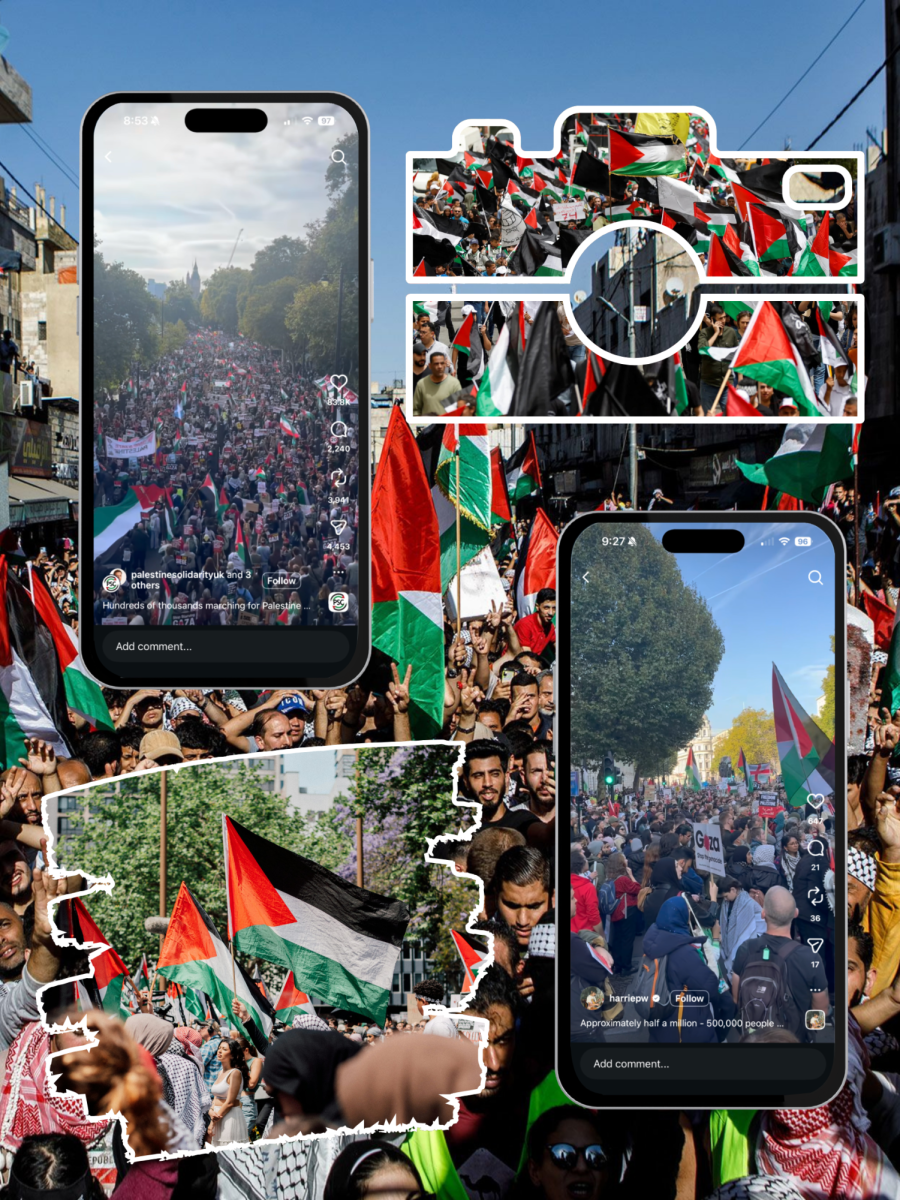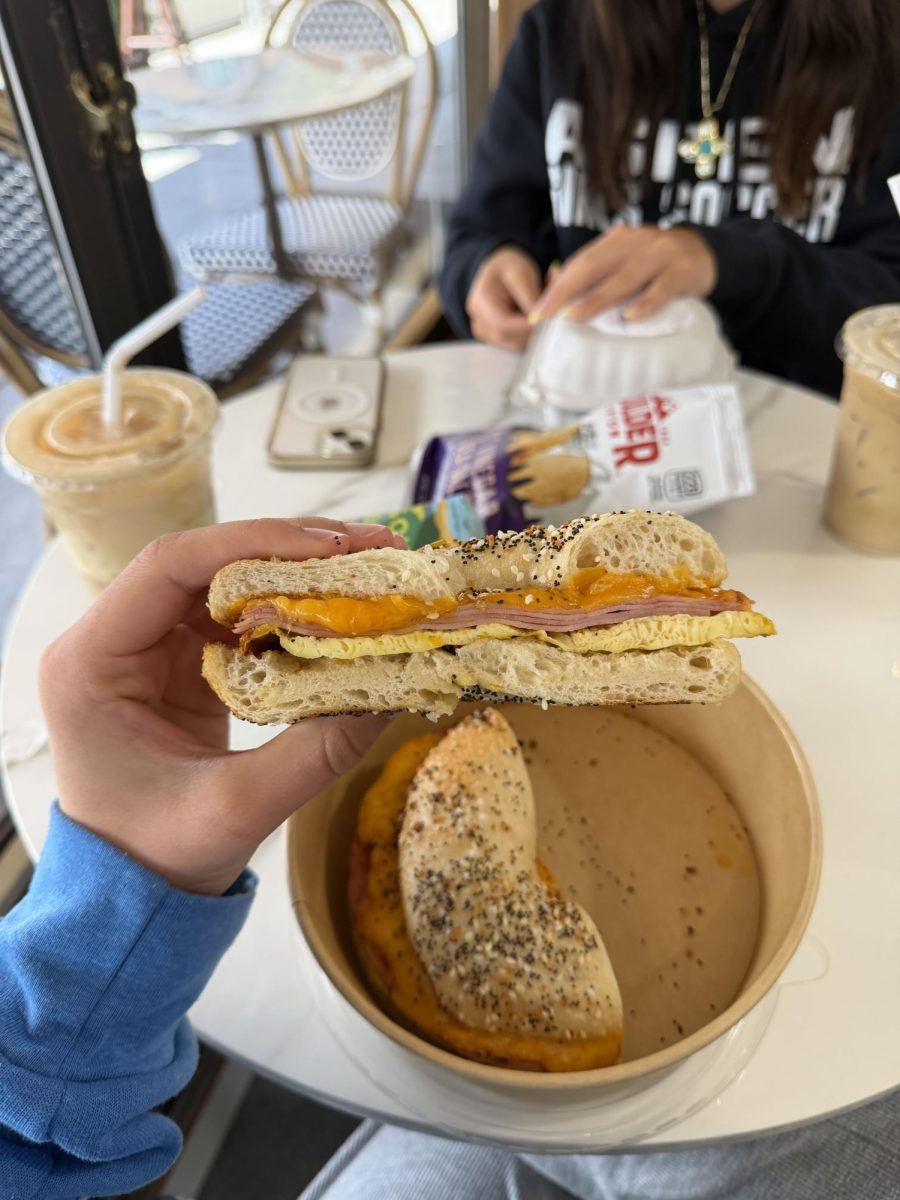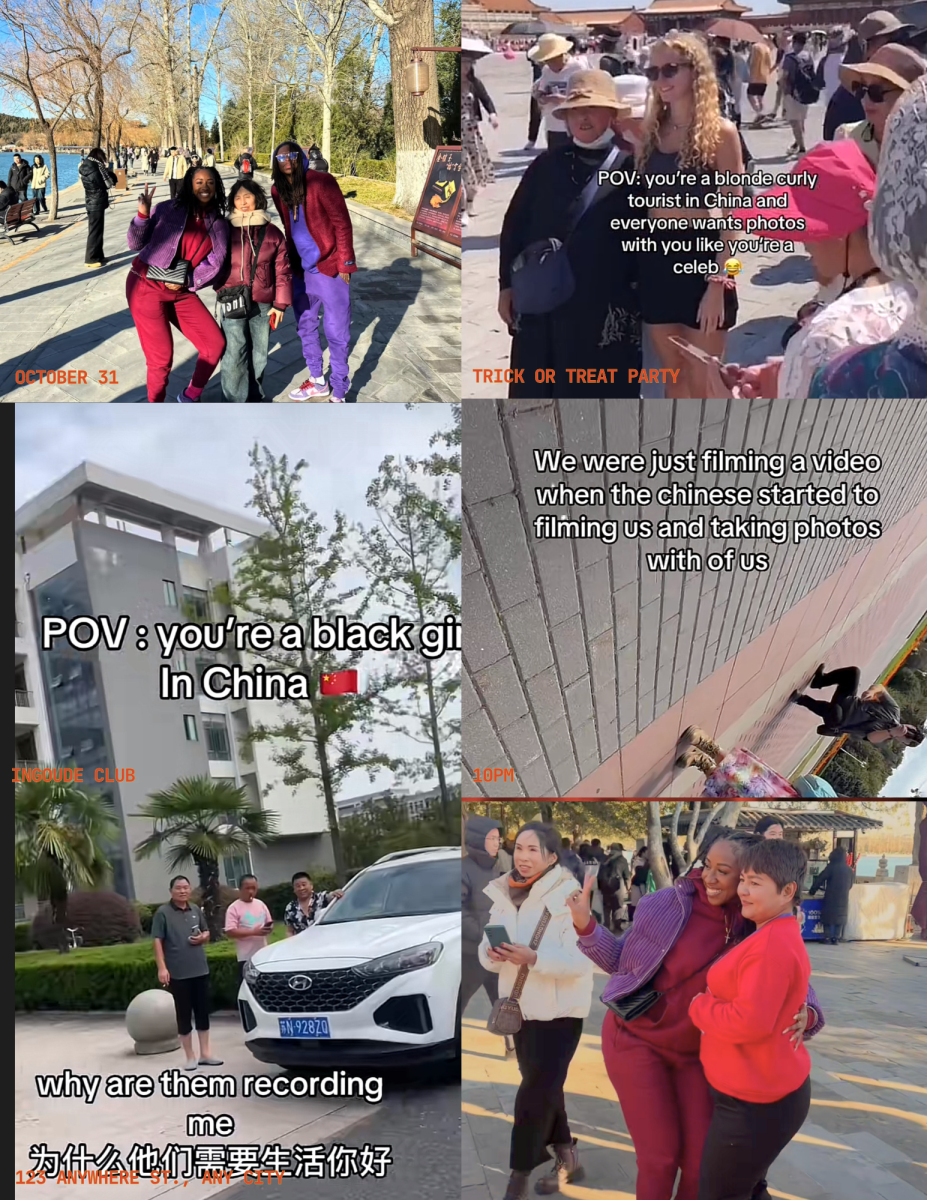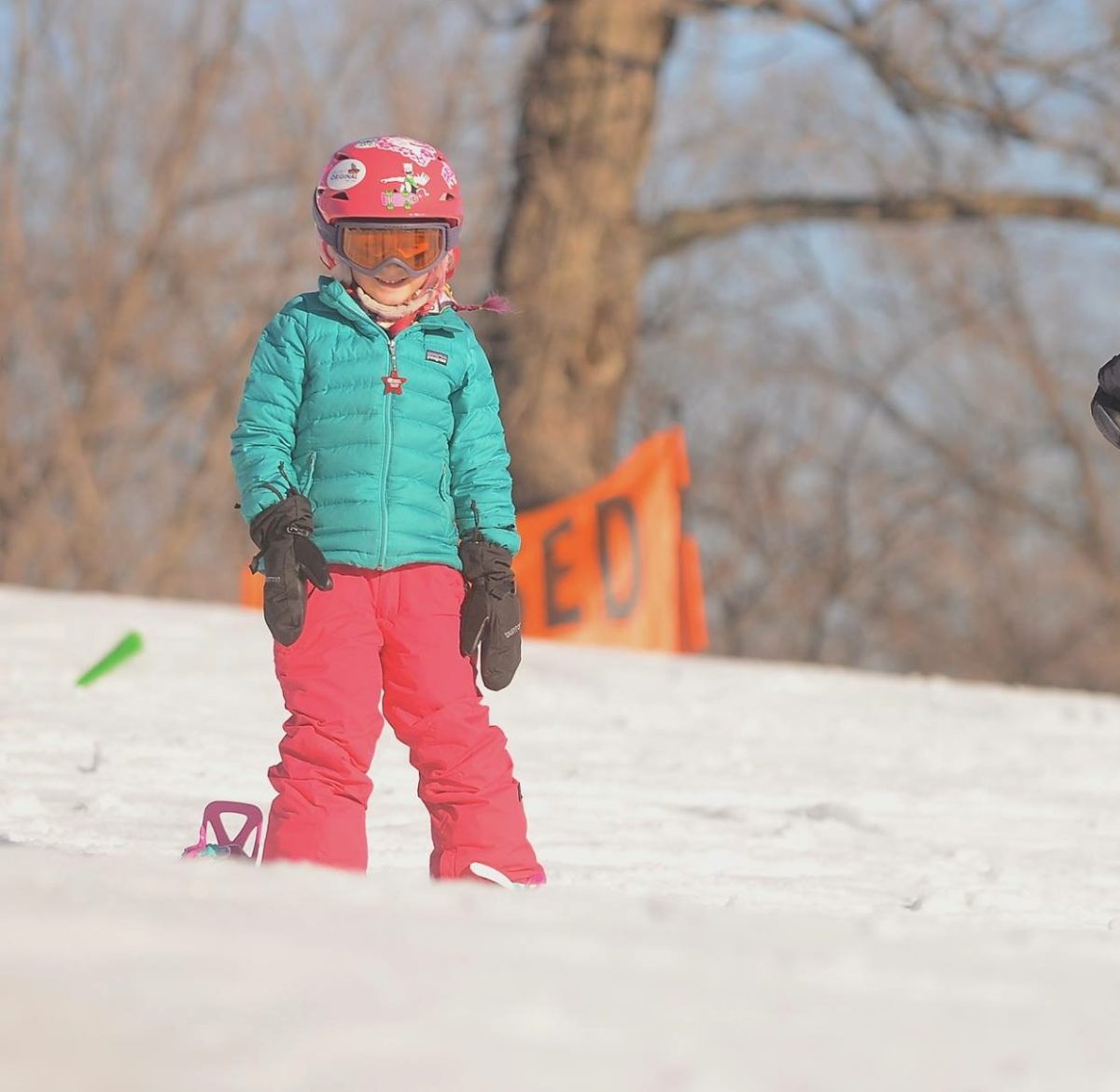


Every day, teenagers and adults alike put images of their lives on social media platforms like Instagram and Snapchat. From meals to outfits, it is increasingly common to put our lives online.
Now, an unprecedented threat is emerging, with artificial intelligence changing the ease of generating sexually explicit images. A photo can be uploaded to an artificial intelligence app and be made sexually explicit within seconds. Image leaks of those edited photos leave everyone wondering where liability belongs: the company or the user. Regardless, victims are left violated without consequence, destroying communities, friendships, and livelihoods.
Elon Musk is currently facing a class-action lawsuit over his X technology, Grok Image, which grants unregulated generative abilities with extreme consequences.
Those consequences were felt by one musician in Rio De Janeiro, Julie Yukari, who posted a photo of herself online in a dress, which was later converted into a bikini without her knowledge. Yukari filed the lawsuit, blaming Musk for not condemning this generative ability. She received notifications from X saying that Grok had been asked to edit the photo, but she originally assumed it would not be allowed to create anything explicit from the post. Soon, she started to see the same photo, with her non-revealing dress transformed into a bikini, spread across X. This began to affect her reputation and relationships, both online and within her community.
Although social media is a place where you choose which images you post and share publicly, in situations like Yukari’s, it is impossible to control what others may manipulate online. As long as this technology continues to exist, situations like Yukari’s will only become more common.
It isn’t just adults being targeted; minors often become the victims of these photos. Under US code 2252A, which states that persons who distribute “any child pornography using any means or facility of interstate…including by computer” are committing a felony, this is punishable with multiple years in prison. The code is meant to protect minors, but often fails to do so effectively, especially when these photos are published and spread on social media platforms such as Snapchat.
One example was a female student at Sixth Ward Middle School in Louisiana. Male classmates generated photos of her without a shirt, but because of Snapchat’s disappearing message feature, school officials did not have enough evidence to address the issue. She was left to deal with the effect on her mental health alone after being expelled due to a conflict between her and the boy who generated the images. In small towns where gossip travels fast, these consequences are especially detrimental. As an eighth grader, she was subject to verbal abuse by people she had never even heard of before, blaming her and calling her heinous names. Her story emphasizes the clear threat to the well-being of teens and adults alike. Nobody is safe.
Despite the government condemning these actions, there are currently 47 “nudify” apps in the App Store. By offering these apps to the general public, companies are ignoring the serious threats posed by this situation. With technological advancements becoming more integrated into schools, it will only become easier to generate similar photos at even younger ages. Some action has been taken, such as the recent Take It Down Act reaching bipartisan support. Companies cannot fully control what users use their technologies for, but they have the power to significantly reduce the abilities of that technology.
Oregon recently passed a law sentencing any company or individual who spreads these images to a year in prison, but this is not enough. The effects of these images remain for much longer than a year, with victims often facing dynamic changes in the workplace and even in their own homes. Coworkers, bosses, and family members may believe the photos were published in an explicit form, and consequently blame the victim for “recklessness”. Regardless of the victim’s body being AI-generated, it still casts victims in an unprofessional and oftentimes shameful light.
The frequently targeted individuals are not always large influencers or content creators; oftentimes, they are small female-run social media accounts with fewer than one million followers. This allows the images to spread unnoticed by the original owners. No one is immune; anybody with a public account can easily be taken advantage of, and they often don’t find out until it’s too late.
For some, manipulating these photos is a “cost-free” income. The images are taken, AI is prompted to change the amount of clothes worn, and they are sold to consumers worldwide. These sales can be made through “packages” of images and merchandise, or explicit video content. The use of these victims as models is not consensual, yet it is hard to track down and prosecute the people creating it. Private companies are often the sellers, making thousands of dollars at the expense of a person’s dignity.
Anyone should be able to post photos of themself having fun and living their life without worrying about being taken advantage of. Regardless, the current state of the world requires increased caution in everyday activities. Without accountability being taken by the companies, allowing this to continue unregulated, it is nearly impossible to prevent more stories like these from continuing. It isn’t just a photo; it’s negligence being allowed by the government that created the laws forbidding it.