













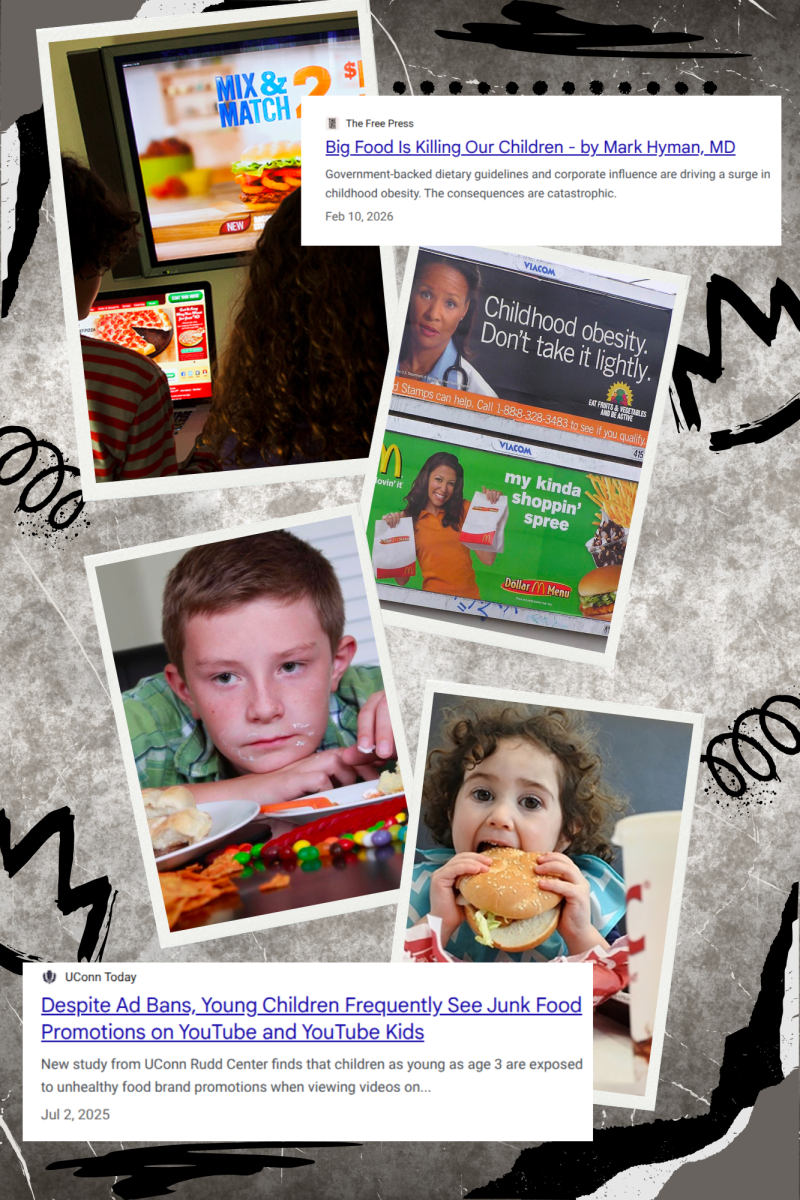
Fast-food marketing is a multi-billion-dollar industry that specifically targets young children through television, digital media, and in-store branding. While some argue that food choice is a matter of parental responsibility, research suggests that the scale and techniques used in modern advertising on television and the internet create an environment that directly influences children’s dietary choices and long-term health outcomes.
A primary concern with marketing to young children is their cognitive development. According to the Obesity Evidence Hub, children under the age of five often lack the ability to distinguish between entertainment and advertising. They view commercials as factual segments of their favorite shows rather than persuasive sales pitches. This leads to children repeatedly requesting specific brands they have seen advertised but never tried.
The Obesity Action Coalition notes that 91% of the food marketing budget aimed at younger generations promotes products high in fat, sugar, and sodium, far outweighing the promotion of healthy options like fruits and vegetables.
The shift toward digital platforms has introduced even more engaging marketing strategies. Studies published by PubMed highlight the use of "advergames" and "rewarded video advertising." These are mobile apps or games where a food brand is integrated into the gameplay. For a young child, interacting with a brand to earn points or unlock levels creates a positive emotional association with that food, leading to potential health complications if the food is unhealthy.
Because these digital interactions are often solitary, they can bypass parental supervision, making it harder for caregivers to monitor the types of messages their children are absorbing.
From a medical perspective, the frequent consumption of fast food driven by these advertisements has clear physiological effects. The Cleveland Clinic explains that the high levels of processed carbohydrates and added sugars in fast food cause a “spike and crash” cycle in blood glucose. In young children, this often manifests as energy fluctuations and irritability. Over time, consistent exposure to these foods increases the risk of developing chronic conditions at an earlier age, including Type 2 diabetes and high blood pressure, both of which were historically rare in pediatric populations. Type 2 was simply called "adult-onset diabetes." This started to shift significantly in the 1990s.
The debate over fast-food advertising often centers on where to draw the line between corporate freedom and public health. While companies argue they are providing options for busy families, public health advocates suggest that children are a vulnerable audience that requires specific boundaries. Many countries have begun discussing or implementing stricter regulations on junk food ads during children’s viewing hours on digital apps to mitigate these effects.
Ultimately, the evidence indicates that fast food advertising is a significant factor in influencing the eating habits of young children. By understanding the psychological and physiological impacts of these marketing tactics, society can better evaluate the need for policies that prioritize the health and development of the next generation.